
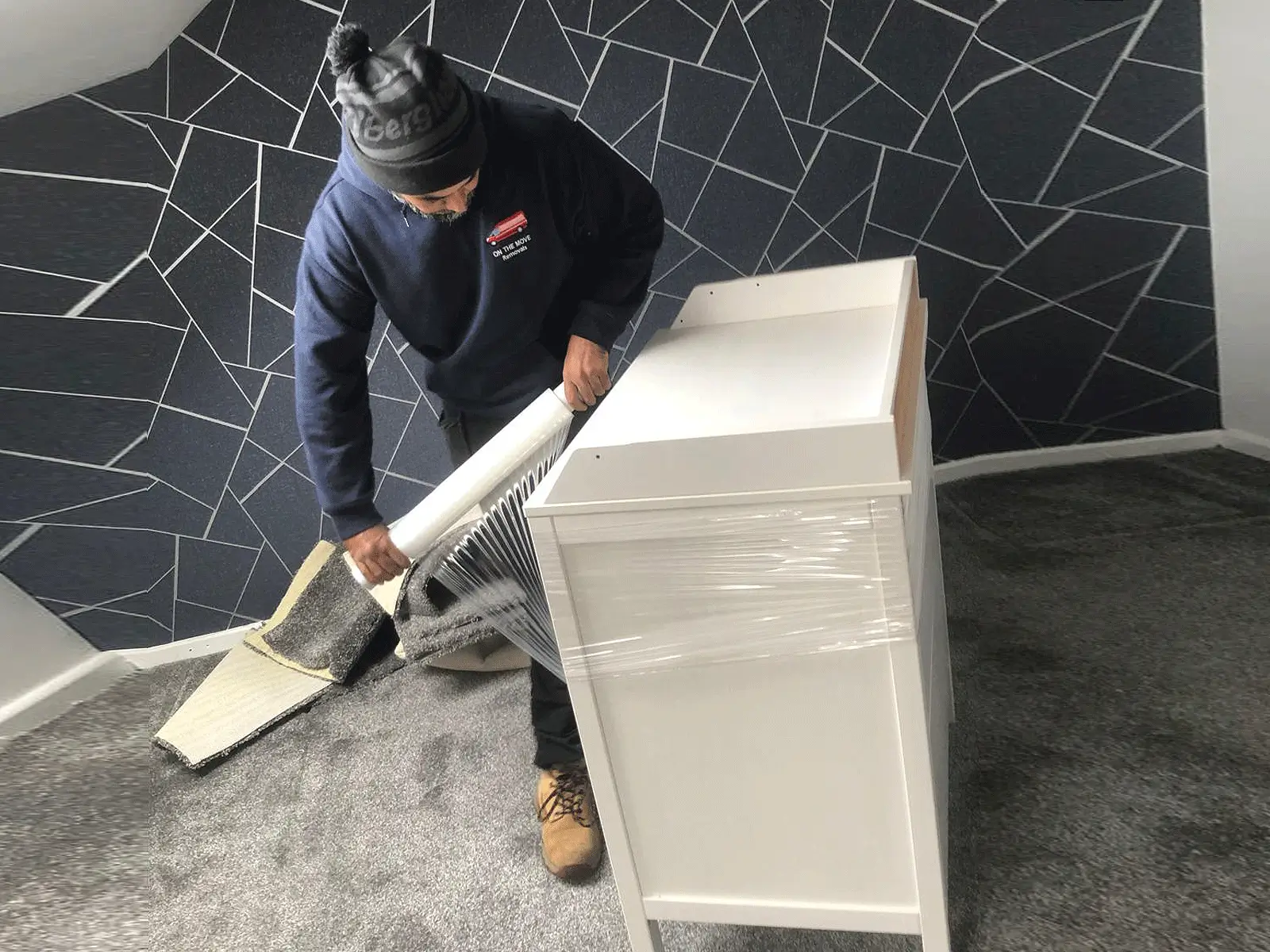
Glass, ceramics, electronics, artwork, mirrors, lamps, wine. Fragile items are the most common source of "that's my fault, sorry" moments on moving day. They don't have to be. Here's how the experienced movers at OTM actually do it, and how you can replicate most of it at home.
The golden rule: wrap the item, then wrap the space around it
Most fragile-breakage on a move isn't from the item hitting the floor. It's from the item hitting something else inside the box while the van is moving. If your box rattles when you gently shake it, you haven't packed it properly. A well-packed fragile box should feel like a solid brick.
That means two layers of protection:
- Direct wrap around the item (bubble wrap, foam, packing paper)
- Fill in every gap inside the box so nothing can shift (crumpled kraft paper or polystyrene chips)
Glassware and crockery
- Use a double-walled box. Single-wall boxes flex and transfer impact.
- Line the bottom with 5cm of crumpled paper. This gives you a shock-absorbing base.
- Wrap each item individually. Glasses: one sheet of bubble wrap, twisted at the top like a candy wrapper. Plates: stand them on edge, not flat, and layer bubble wrap between each one.
- Heavy items at the bottom, light and delicate at the top. A stack of plates should never sit on top of wine glasses.
- Fill all gaps. If you can press down and feel movement, add more paper.
- Label "FRAGILE, THIS WAY UP" on the top and at least one side.
- Don't overfill. A kitchen box should weigh no more than about 18kg. If you can't lift it easily, split it into two.
TVs, monitors, and computers
- Original box if you still have it. Otherwise, use a flatscreen-specific moving box or improvise a double-walled carton with at least 5cm of padding on every side.
- Screen-side gets the most protection. Wrap the screen in a soft cloth or foam sheet before the bubble wrap, and tape the corners so nothing compresses into the pixels.
- Cables labelled and bagged. Photograph the back of every device before you unplug anything. Colour-code cables with masking tape and a marker, or use small zip bags labelled by device.
- Stand TVs upright in the van. Never lay them flat. Pressure on a flat screen is the single easiest way to kill it.
Mirrors and artwork
- Tape the glass in an X pattern with masking tape. This prevents shattering if it takes a knock.
- Corner protectors on frames. Cardboard offcuts or foam corners work.
- Wrap in bubble wrap, then in a thin moving blanket or stretch wrap.
- Label "GLASS, THIS WAY UP" clearly.
- Pack upright, standing on the short edge, in the van. Never flat under other items.
Lamps, vases, and awkward shapes
- Remove the shade, the bulb, and any loose parts. Pack each separately.
- For the lamp base: crumpled paper in the cavity (if any), then wrap the whole thing in bubble wrap.
- Shades go in their own box with paper filling the dome. A crushed shade is a shade you can't repair.
- Vases: fill the cavity with packing paper, wrap the outside, stand upright in the box.
Wine, spirits, and anything with liquid inside
- Use a proper wine carrier or a double-walled box with cell dividers.
- Seal bottles with parafilm or cling film under the cap, just in case.
- Keep upright. Horizontal storage is fine long-term for wine, but during a bumpy van ride it increases the chance of the cork shifting and the wine leaking.
- Never store wine in a hot van in summer for more than a few hours. Heat damages quicker than vibration.
Pianos, pool tables, and anything over 100kg
This is where honest advice matters more than clever tricks. Upright pianos can be moved by two experienced people with a four-wheel piano dolly, furniture straps, and a ramp. Digital pianos are much easier. If it's your first piano move, this is the one job where we'd genuinely say: get a pro. We've written more about what's involved on our piano removals page. Drop us a message if you want to chat it through.
The mistake most people make
The single biggest packing mistake is using random supermarket boxes. They've already done one trip. They're weakened. They don't stack properly. Buy proper double-walled boxes from a moving supplier or a big DIY store, or ask us about our packing service, which includes all materials and professional labour. Everything we pack is covered by the same goods-in-transit insurance as the move itself.
What to do if something gets damaged anyway
Even the best packing occasionally fails. If you're using a removal company, check that they offer genuine goods-in-transit cover (not just public liability). At OTM, goods in transit are covered up to £10,000 for each removal van. If you've self-packed, check your home contents insurance. Many UK policies have a "temporary removal" clause that covers you during a move. If not, call the insurer and add it for the moving day for a small one-off fee.
Pack smart, label ruthlessly, and don't rush the fragile boxes. That's the whole secret.
Frequently Asked Questions
What's the best material for packing fragile items?
Should I use original boxes for TVs and electronics?
Can I pack my own fragile items or should I let a removal company do it?
How do I pack artwork and framed photos?
Keep reading
How Much Does It Cost to Move House in the UK in 2026?
2026 UK costs to move house: £250-£2,000+. The six factors that drive your quote, the red flags to spot, and how to tell a fair price from a bait-and-switch.
The Moving House Checklist We Actually Use (UK)
An 8-week moving house checklist from Huddersfield's top-rated removal company. Everything to do, book, and pack, week by week, so nothing gets missed.